Boomer Beach
Designing a territory control game through iterative playtesting.
Project Overview
Design a board game that combines territory control mechanics with treasure hunting in a beach setting, featuring elderly characters competing against environmental hazards.
- Territory Control: Players claim beach squares by moving through them
- Resource Management: Limited movement via dice rolls
- Environmental Hazards: Dynamic water levels and random events
- Time Pressure: Hidden tidal wave card creates urgency
Team Size: 5 members
Timeline: October 2024 (3 iterations over 3 weeks)
About the Game
Boomer Beach features four grumpy grannies and grandpas competing to conquer territory on Virginia Beach as they scour the beach with metal detectors, searching for treasures washed ashore by the tides. But players must be quick, in this game they must balance territorial expansion and treasure collection, all while racing against the inevitable tidal wave that will end the game.
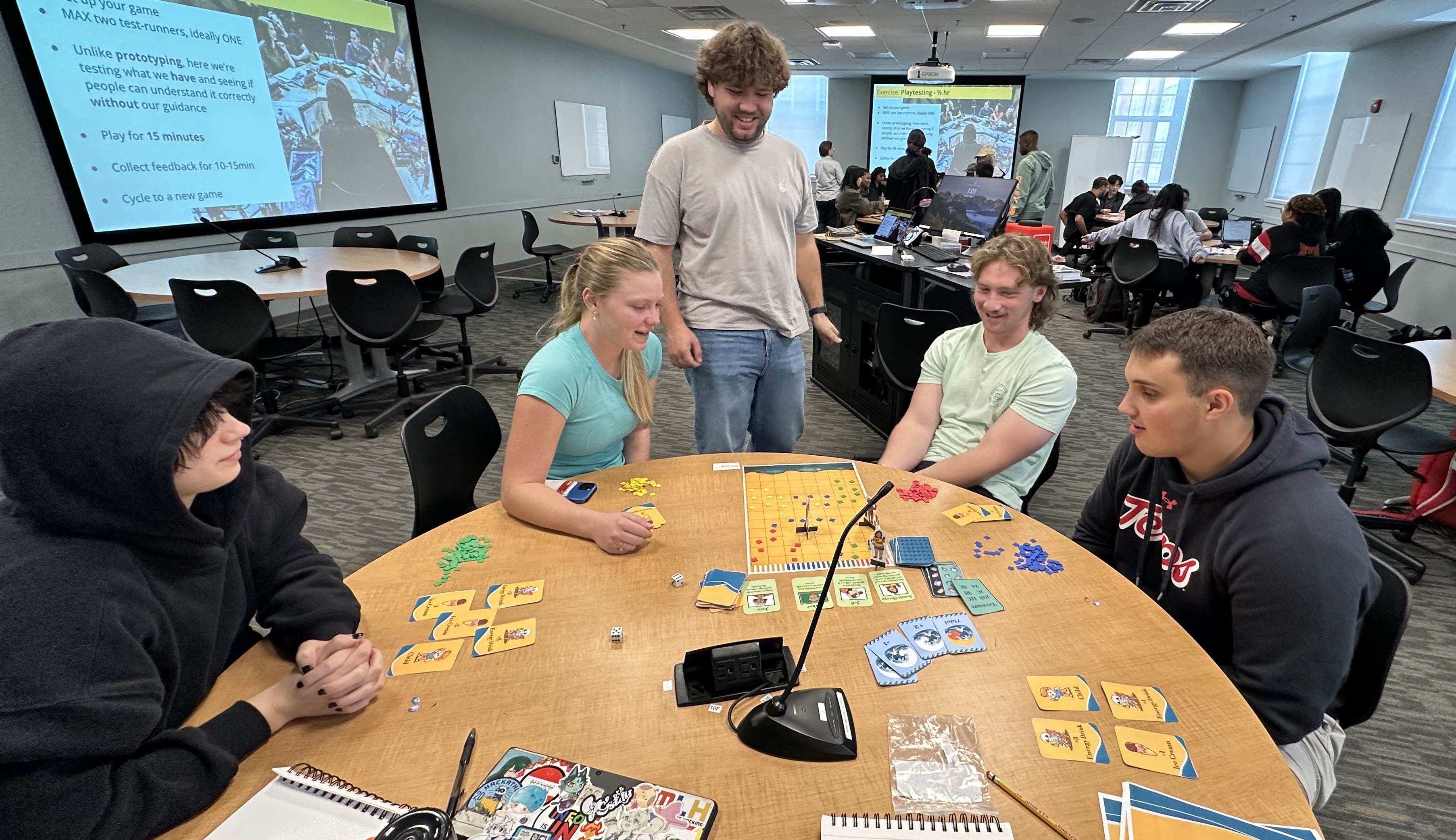
Design Process
The development of Boomer Beach followed an iterative design approach with three major versions, each addressing specific gameplay and usability issues identified through playtesting.
Initial Concept
- Basic dice-based movement system
- Treasure cards with various effects
- Player interaction through territory contestation
- Hidden tidal wave mechanic
Refinement
- Simplified treasure collection mechanics
- Introduced corner starting positions
- Added beach towel "safe zones"
- Streamlined player interaction rules
Redesign
- Complete rulebook overhaul
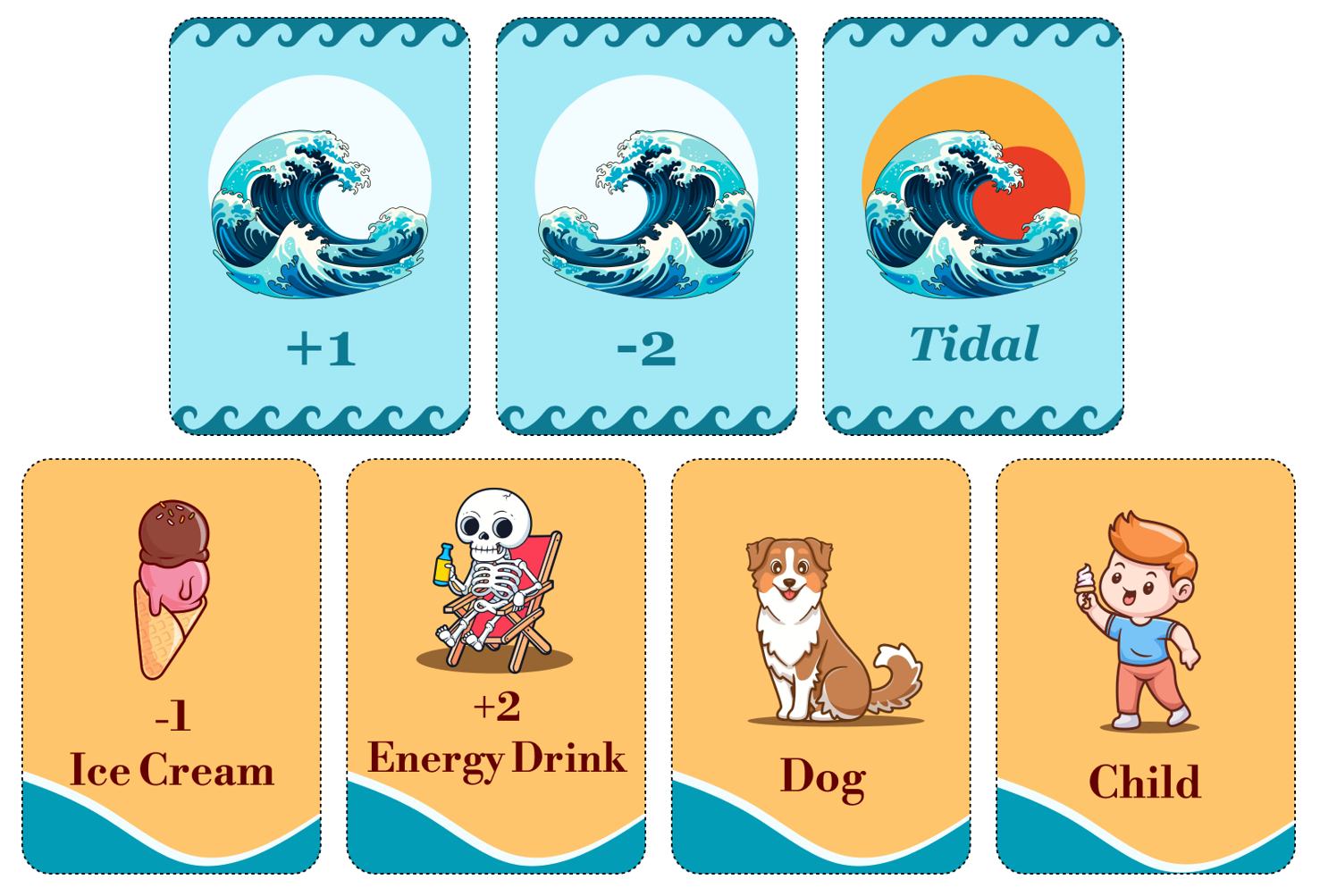
- Refined wave mechanics with numbered cards (-2, -1, +1, +2)
- Introduced event cards (running dog, child, ice cream, energy drink)
- Established clear point system (1 point per territory, 5 points per treasure)
- Added final treasure reveal mechanic
User Testing & Iteration
The team conducted multiple playtests with detailed feedback collection, focusing on gameplay flow, rule clarity, player engagement, and balance between different mechanics.
Initial Feedback
- Game complexity overwhelmed new players
- Territory placement mechanics significantly slowed gameplay
- Players prioritized stealing territory over board coverage
- Event cards needed clearer instructions
Refined Testing
- Games ran too long due to insufficient tidal wave cards
- Wave timing needed adjustment for better flow
- Coordinate system needed to be printed on the board for treasure placement
- Players forgot movement tracking, leading to confusion
Implemented Fixes
- Added simplified card instructions
- Created a coordinate system for treasure placement
- Developed clearer rules
- Implemented wave card timing adjustments
- Added return-to-start penalty for cleared areas
Design Challenges & Solutions
While developing the game, the team encountered several key challenges that required creative solutions to maintain the game's core vision and playability.
Balancing Complexity with Accessibility
Problem: Initial versions were too complex for casual players, overwhelming them with too many mechanics and rules.
Solution: Streamlined game mechanics while maintaining strategic gameplay with event cards and wave timing, creating an engaging game that could be learned easily over time.
Maintaining Engagement Throughout the Game
Problem: Early gameplay felt slow and disconnected from the treasure hunting theme.
Solution:Kept players engaged throughout the game by integrating beach themed event cards for greater variety and creating tension with the wave mechanic.
Component Usability
Problem: The flat territory pieces were difficult to handle and track, slowing down gameplay and frustrating players.
Solution: Redesigned them as 3D pieces, making the physical act of playing more efficient.
Final Game Components
The final version includes carefully designed elements that support the both gameplay mechanics and our beach theme.
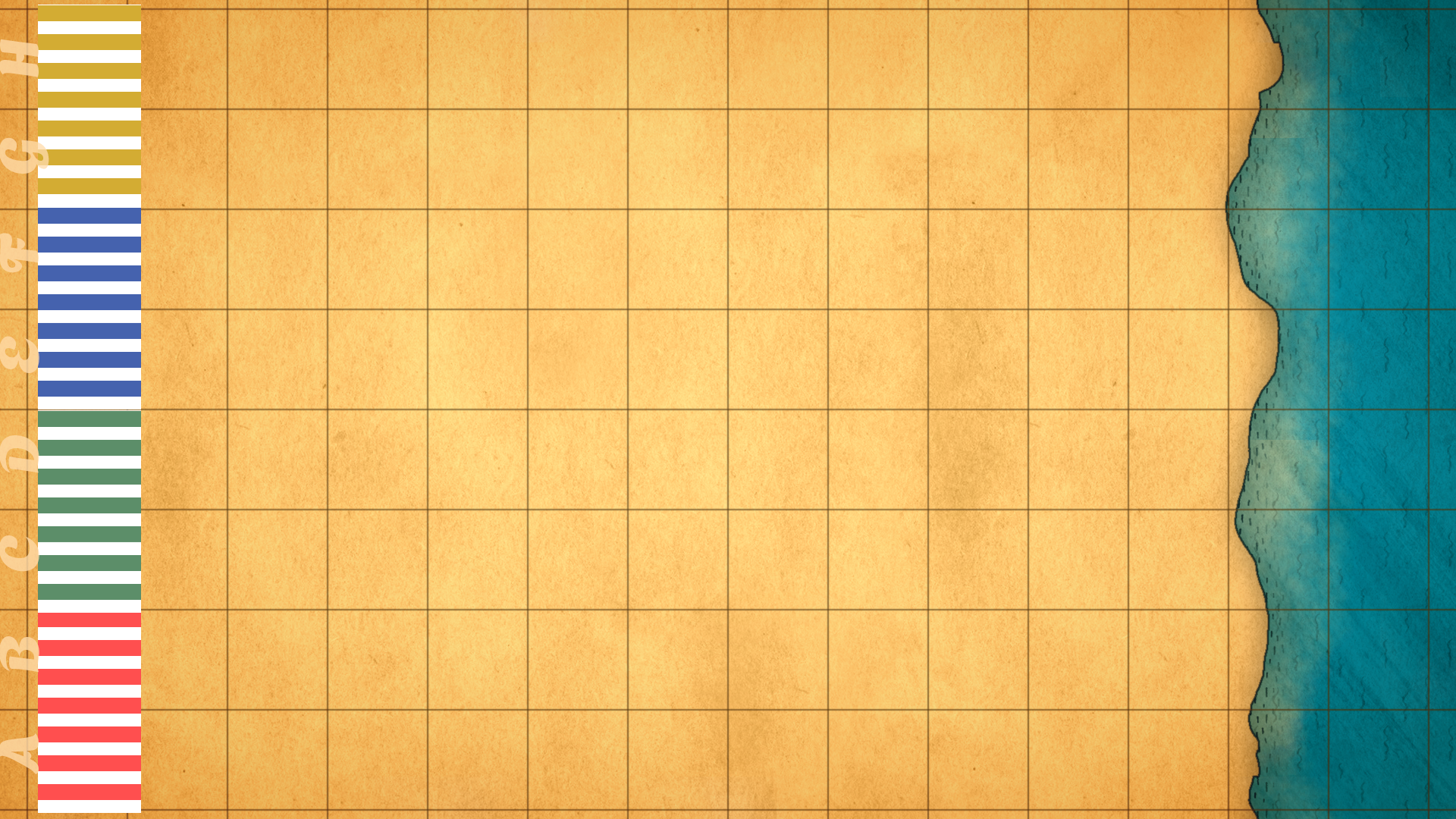
Game Board
8x12 grid representing the beach with a coordinate system for treasure placement
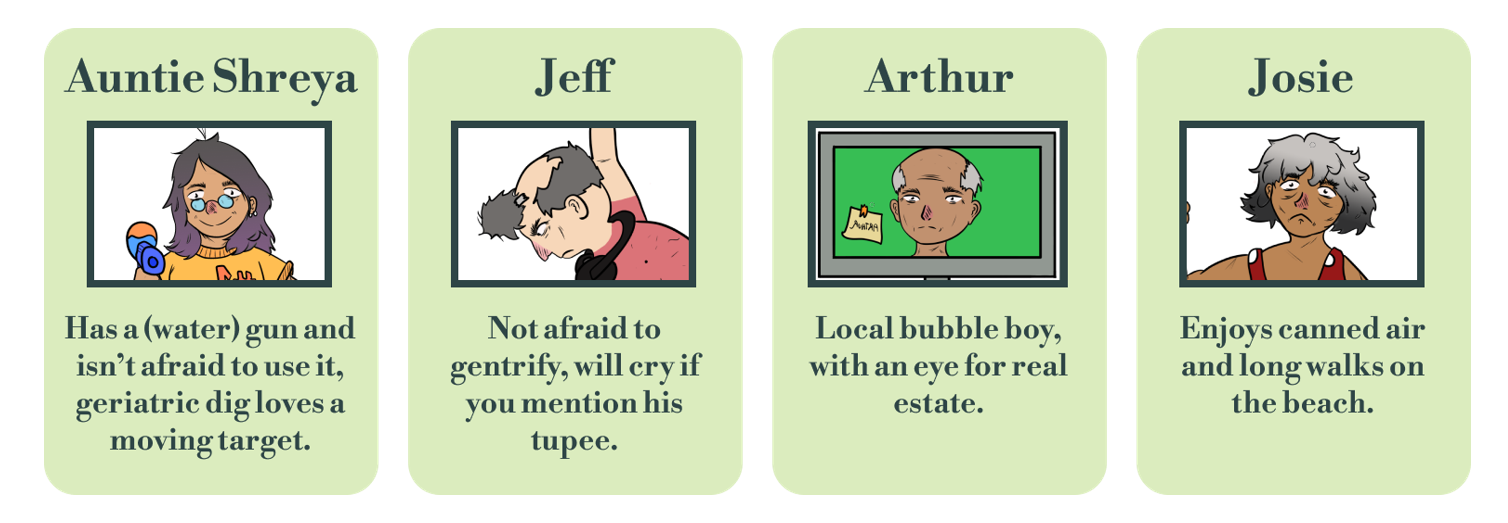
Character Pieces
4 distinct elderly characters with unique personalities and backstories
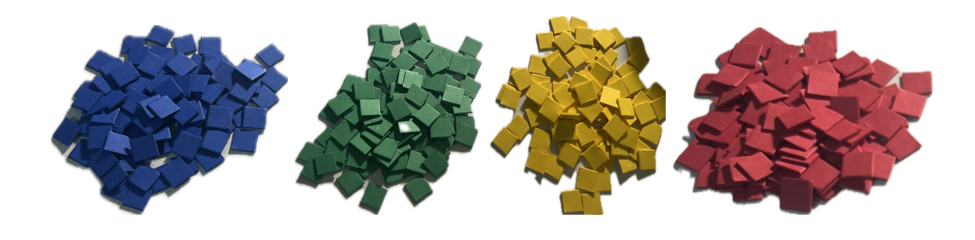
Territory Pieces
400 3D pieces in 4 colors (96 per player + extras) for better handling
Card Decks
Wave cards, Event cards, Character cards, and Treasure cards with clear instructions
Dice & Accessories
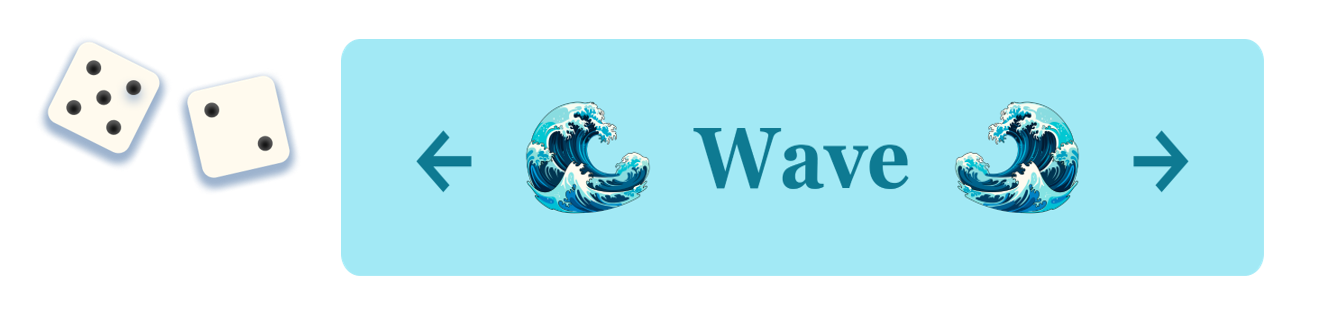
2 dice and water level slider for visually tracking game states
Treasures
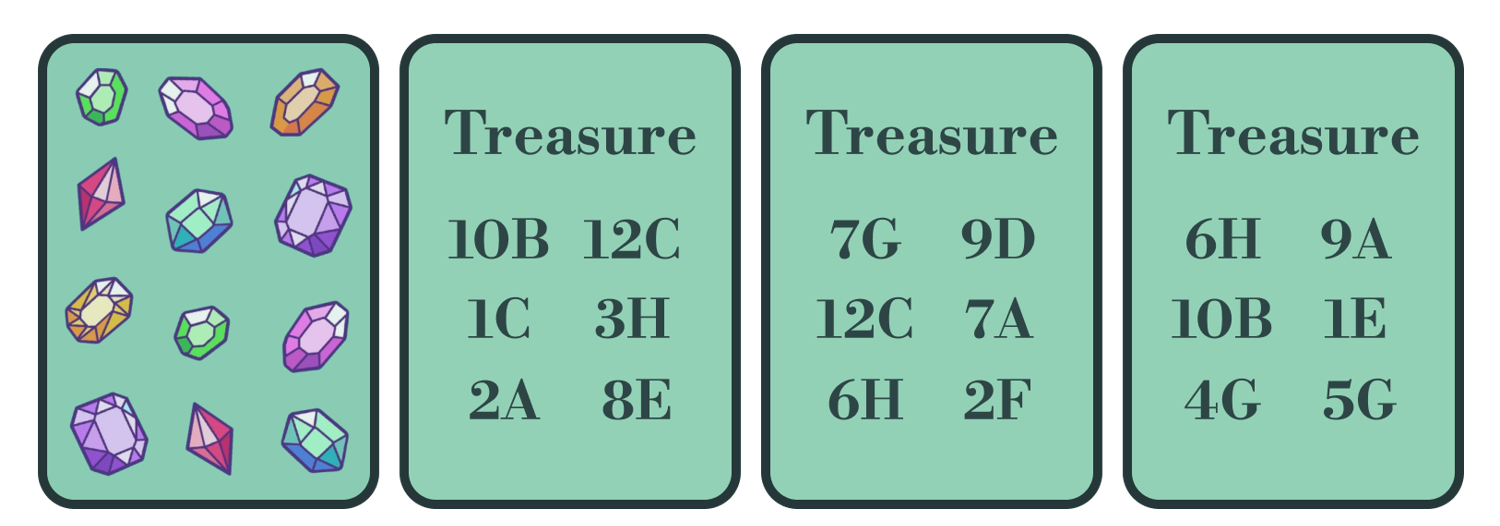
6 physical treasure pieces with 10 different treasure cards, each with unique coordinates
What I Learned
I gained many valuable insights about collaborative game design, iterative development, and the importance of user feedback in creating engaging user experiences.

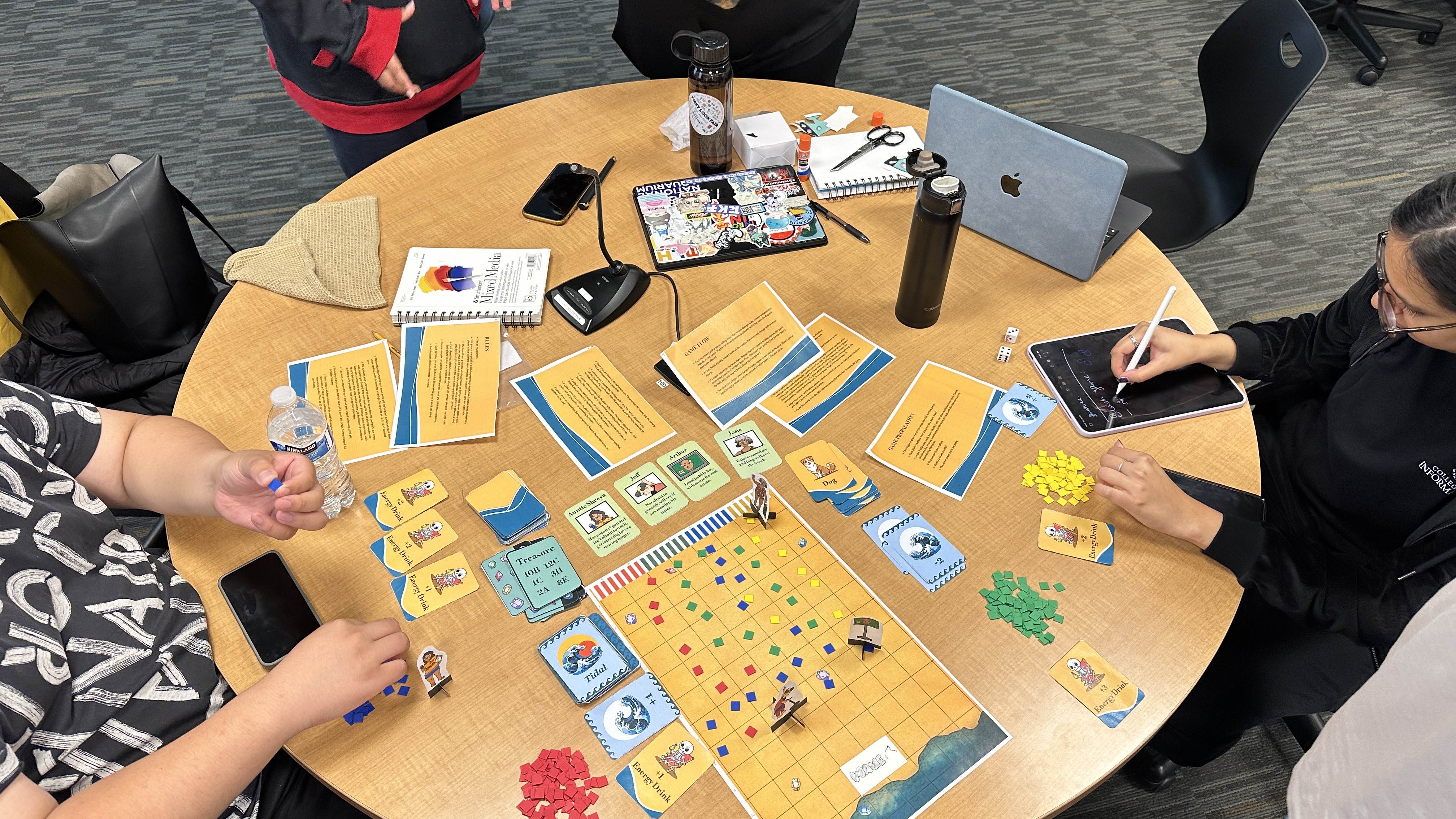
Iterative Testing is Essential
Each playtest revealed critical issues that were not apparent in the design phase. Regular testing with diverse players helped us identify problems early on and validate proposed solutions.
Component Design Matters
A games physical usability can significantly impact a players gameplay experience. Our transition to 3D territory pieces and improved visual design, enhanced player satisfaction, and game flow.
The Importance of Rule Clarity
Game mechanics need considerable documentation and testing. When it comes to the enjoyment of players clear and accessible rules are as important as engaging gameplay mechanics.
Theme Enhancement and Integration
Strong thematic elements improved player engagement and make the game more memorable. The beach setting, themed cards and elderly characters all come together to created a unique and charming experience for the player.
Collaborative Design
Collaboration and role distribution allowed us to rapidly prototype after each round of playtesting. Different perspectives also strengthened the games design and the way we integrated the beach and other themed elements.
Game Balance Through Iteration
Game balance emerges through systematic testing and adjustment! Multiple iterations of development, prototyping and playtesting were necessary in order to reach the right mix of strategy, luck, and player interaction.